Decouple Code Deployment From Feature Release
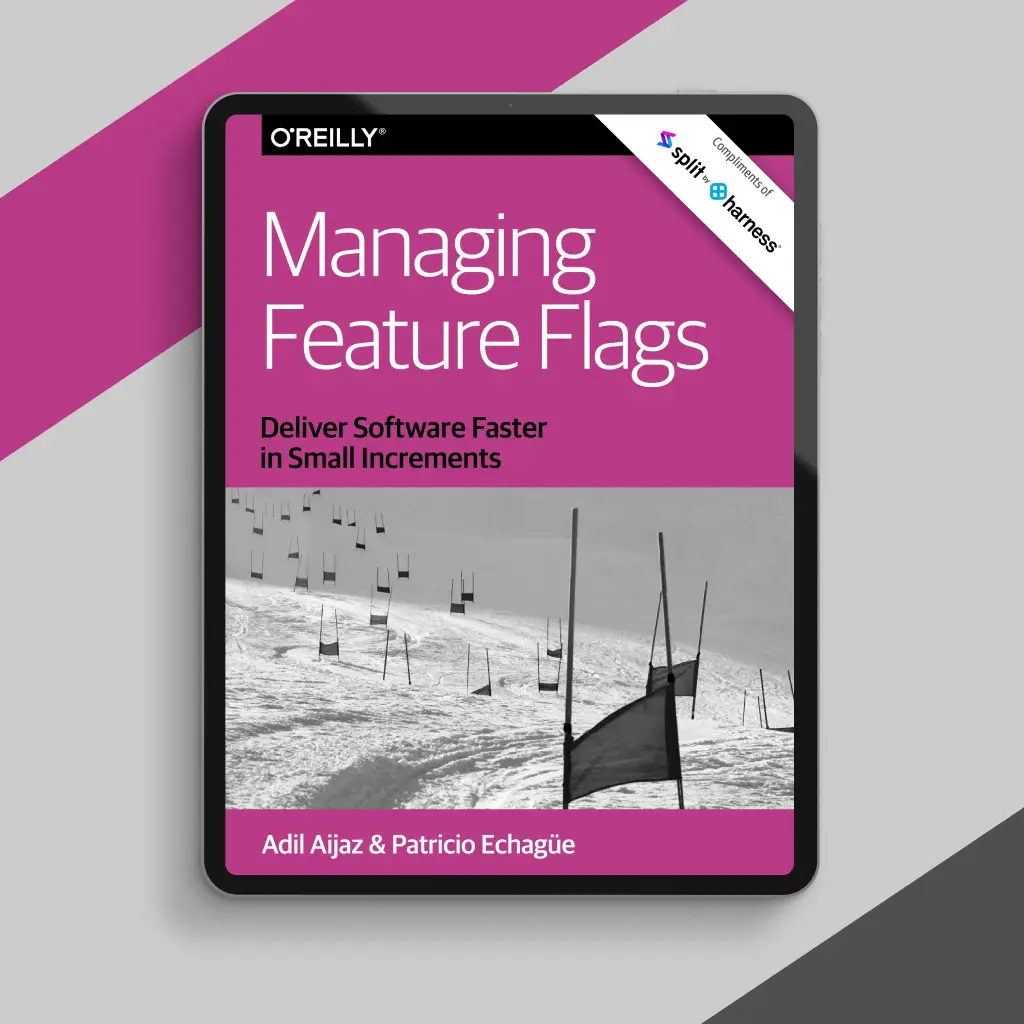
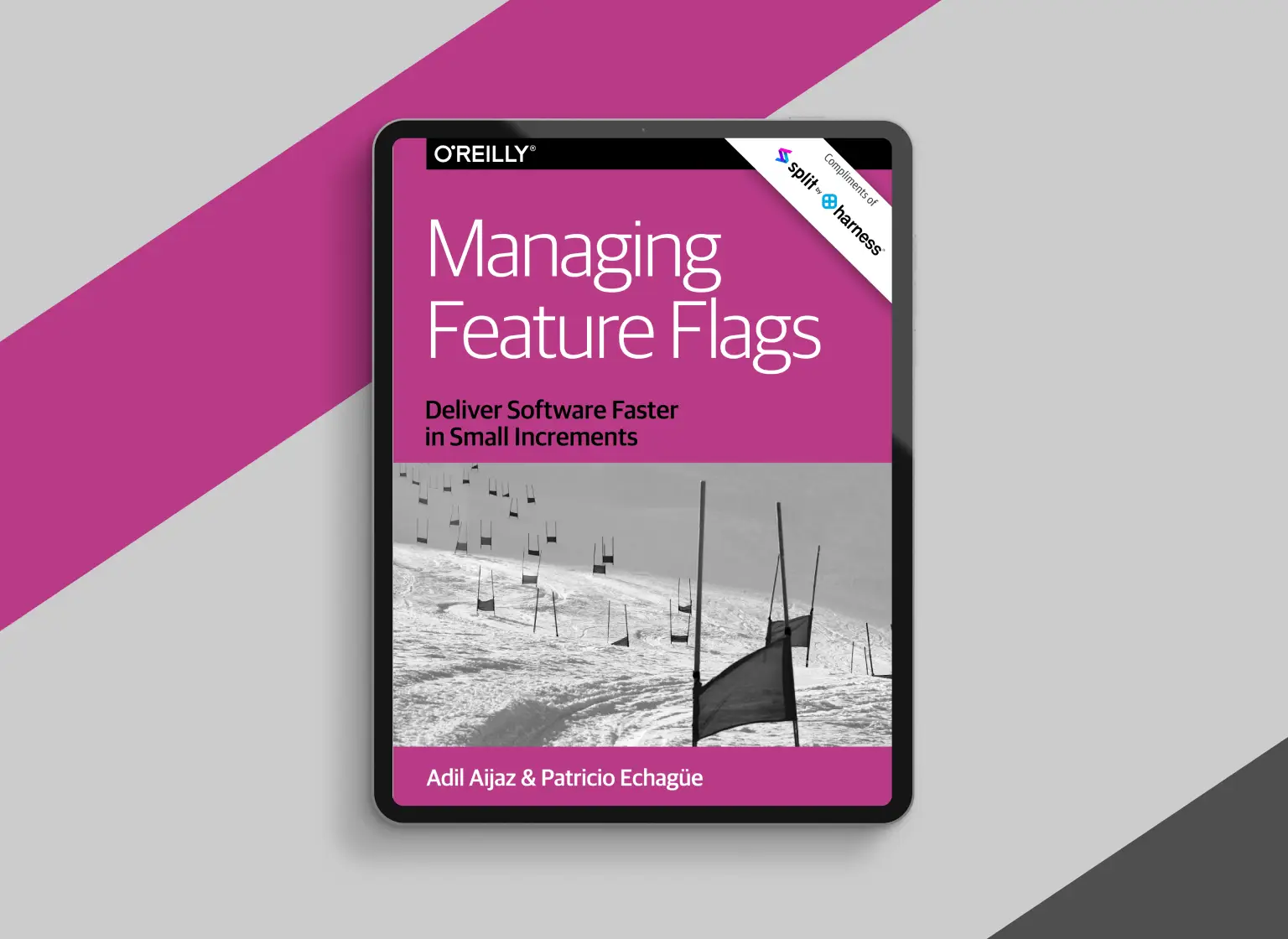
Feature flags allow teams to deploy latent code into production without exposing it to all users. This separation enables faster and safer software delivery.
Enable Trunk-Based Continuous Delivery
Hiding unfinished features behind flags allows developers to work on a single shared branch. This prevents merge conflicts and ensures the code base is always in a releasable state.
Safely Test Features in Production
Teams can bypass inaccurate staging environments by testing new functionality directly in production. Flags restrict this access to a secure subset of users to evaluate performance safely.
Drive Product Experimentation and Analytics
Feature flags have evolved into powerful product management tools for targeted rollouts and A/B testing. They allow organizations to track business metrics like conversion rates before a full release.
Abstract Toggle Configuration From Code
Maintainable flagging systems separate the toggle decision point from the underlying configuration rules. This abstraction allows targeting rules to scale in complexity without requiring widespread code changes.
{"items":[{"icon":"rocket","title":"Decouple Code Deployment From Feature Release","body":"Feature flags allow teams to deploy latent code into production without exposing it to all users. This separation enables faster and safer software delivery."},{"icon":"git-branch","title":"Enable Trunk-Based Continuous Delivery","body":"Hiding unfinished features behind flags allows developers to work on a single shared branch. This prevents merge conflicts and ensures the code base is always in a releasable state."},{"icon":"check-square","title":"Safely Test Features in Production","body":"Teams can bypass inaccurate staging environments by testing new functionality directly in production. Flags restrict this access to a secure subset of users to evaluate performance safely."},{"icon":"bar-chart","title":"Drive Product Experimentation and Analytics","body":"Feature flags have evolved into powerful product management tools for targeted rollouts and A/B testing. They allow organizations to track business metrics like conversion rates before a full release."},{"icon":"code","title":"Abstract Toggle Configuration From Code","body":"Maintainable flagging systems separate the toggle decision point from the underlying configuration rules. This abstraction allows targeting rules to scale in complexity without requiring widespread code changes."}]}